
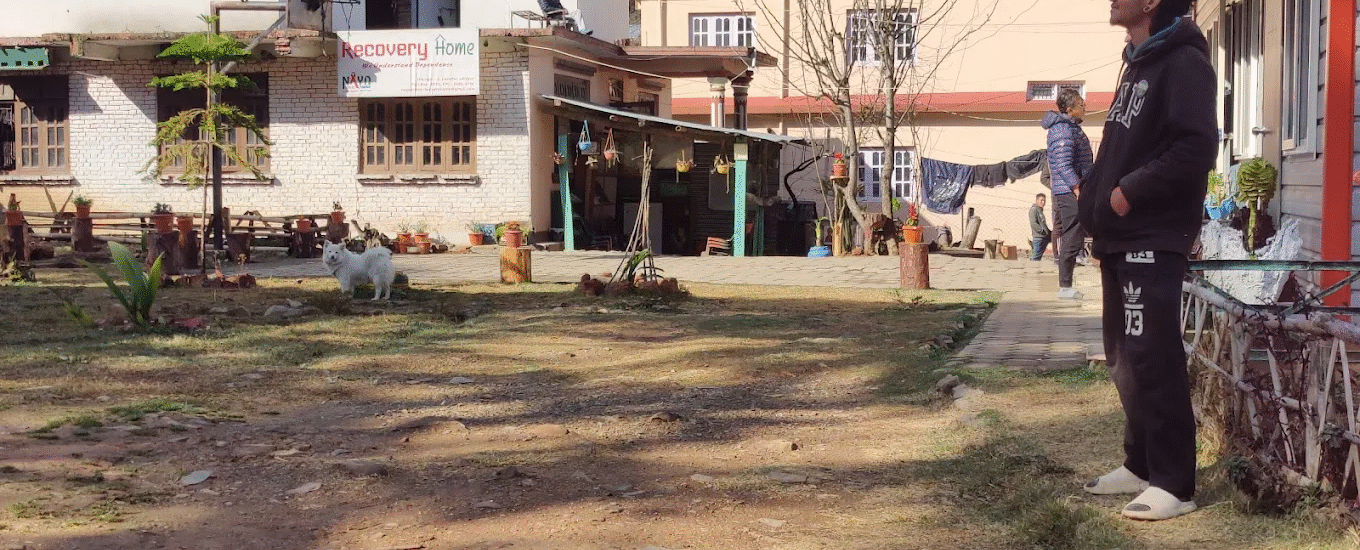
A Safe Space for Healing: Why Recovery Homes Matter in Nepal
Mental health is an integral part of overall well-being, yet it remains one of the most overlooked aspects of health in Nepal. With increasing stressors from social, economic, and environmental changes, many people in Nepal face challenges such as depression, anxiety, addiction, and trauma. Recovery homes play a vital role in supporting individuals on their journey to healing and rebuilding their lives.
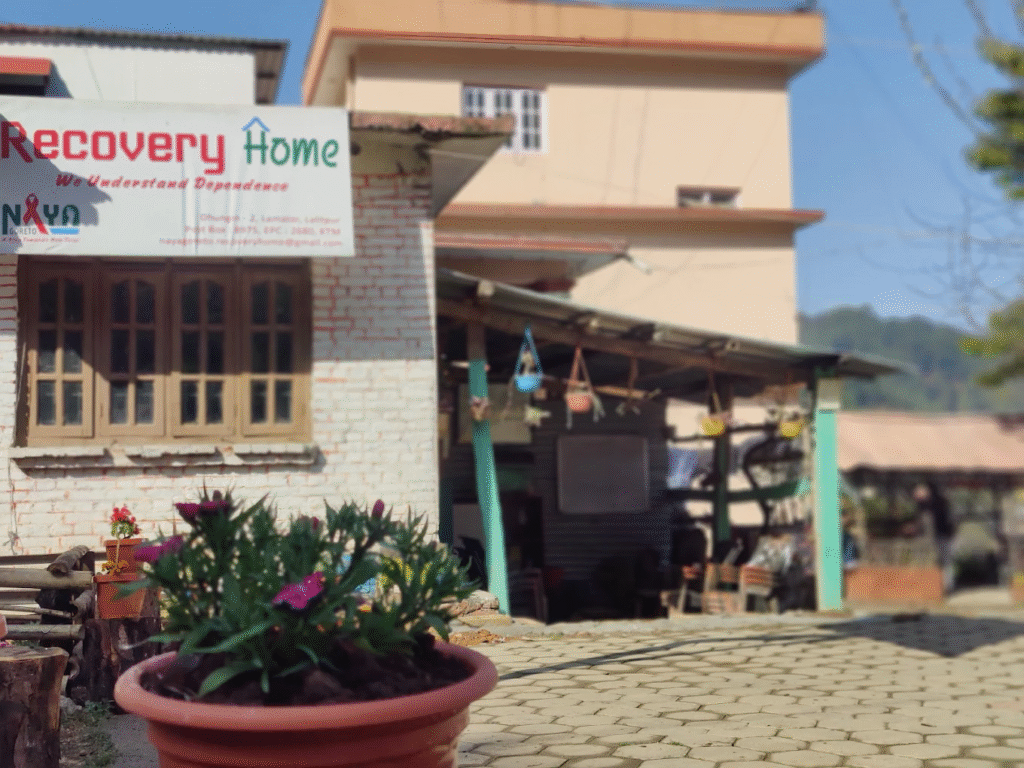
What is a recovery home?
A recovery home is a safe, supportive environment where individuals recovering from mental health issues, substance abuse, or trauma can live while receiving care, therapy, and guidance. Unlike hospitals or clinics, recovery homes provide a community-oriented approach, emphasizing peer support, personal growth, and practical life skills.
Why Recovery Homes are Essential in Nepal
1. Breaking the Stigma
Mental health problems often carry a social stigma in Nepal. Families and individuals may feel ashamed or reluctant to seek help. Recovery homes create a welcoming space where people can openly address their struggles without fear of judgment.
2. Holistic Healing
Recovery homes offer more than just medical treatment. They provide counseling, group therapy, recreational activities, and vocational training that help individuals heal physically, emotionally, and socially.
3. Safe Environment
For many, the home environment might be a source of stress or trauma. Recovery homes give individuals a chance to live in a peaceful and structured setting, fostering stability and reducing relapse risks.
4. Community Support
Living with others who face similar challenges helps individuals build friendships, accountability, and motivation. This community aspect is crucial for long-term recovery.
Services Offered by Recovery Homes in Nepal
- Depression and Anxiety Resolution: Professional counseling and therapy to help individuals manage and overcome mood disorders.
- Addiction Treatment and Rehabilitation: Support for overcoming substance abuse with detox programs and ongoing support.
- Life Skills Training: Helping residents develop skills like communication, budgeting, and job readiness.
- Relapse Prevention: Strategies and follow-up care to maintain progress after leaving the home.
- Family Counseling: Involving family members in the healing process to strengthen support networks.
How You Can Help
Recovery homes depend on community support — whether through donations, volunteering, or spreading awareness. By supporting recovery homes, you contribute to a healthier, more compassionate Nepal.

